Community Impact · Essay
The work a short video cannot show
A donated roof and a small-business storefront show why practical help takes different kinds of skill.
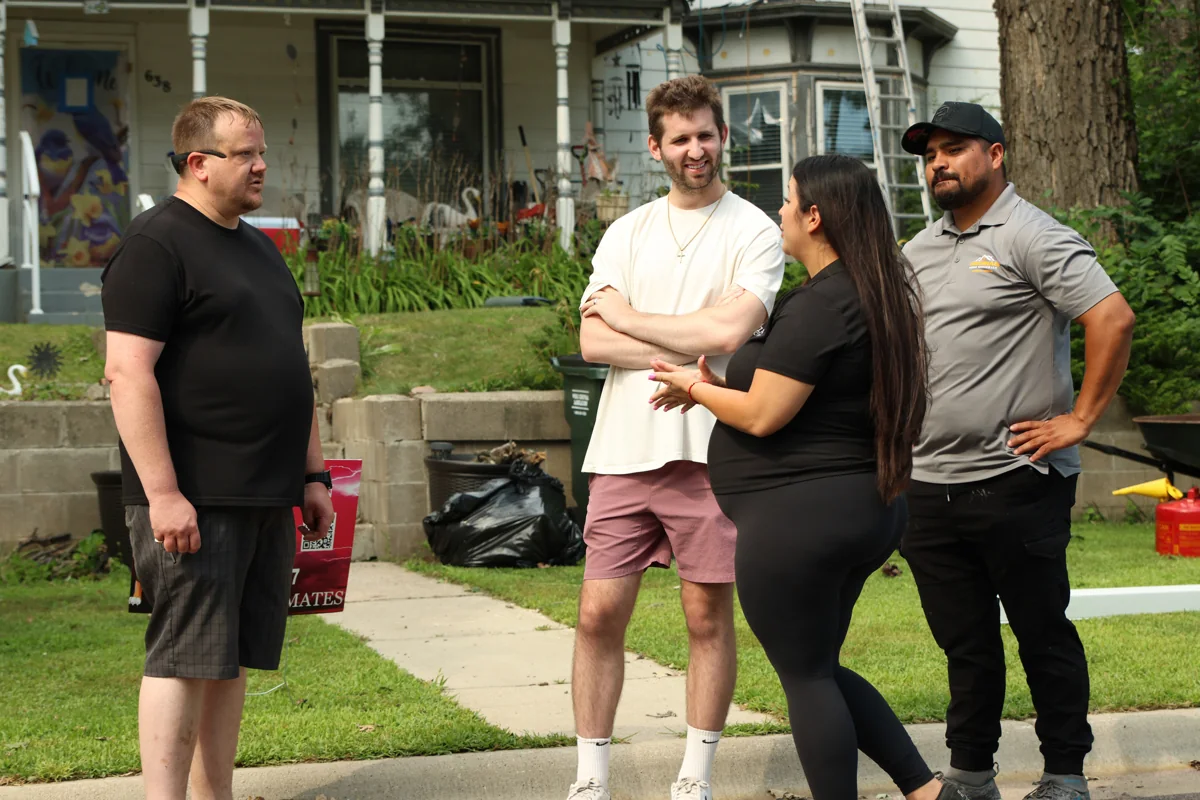
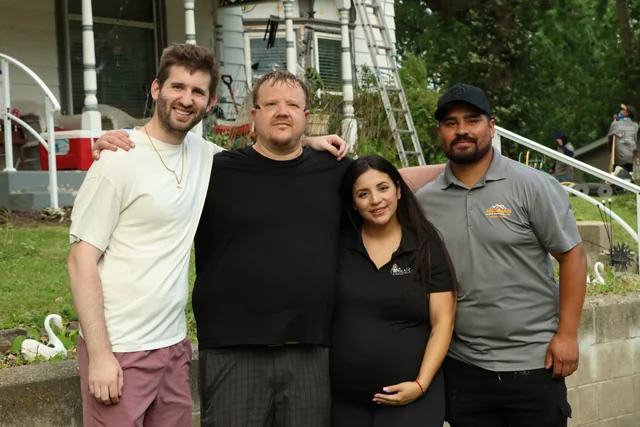
In Brownton, Minnesota, Araizza Construction donated a roof and Medina’s Home Services donated gutters for Nick. My role was to share and document the project. The help came from people making different contributions to the same piece of work.
That can be difficult to show in a short video. A viewer sees an introduction, a conversation and a result. The story is easier to understand when there is also room to explain who did the work, what they contributed and what the finished help actually looked like.
A roof and a small-business website might seem to have little in common. Both offer a useful way to think about help: start with the task, then look at the skills someone can bring to it.
A roof takes people who know how to build one
The practical contribution in Nick’s project came from the contractors. Araizza Construction provided the roof work; Medina’s Home Services provided the gutter work. Their contribution included specialist labor and materials, not just attention to the story. Nick’s roof-and-gutter project record.
The project record puts the estimated donated value at approximately $30,000. That describes the value of the work, not a cash payment to Nick.
Keeping the names and roles attached to the project matters. A person watching the video should be able to find out who supplied the roof, who handled the gutters and how I was involved. The face on a channel is not necessarily the person who provided every part of the help.
There is also a practical lesson for someone considering a similar contribution. A defined job gives an offer of help a shape. The useful questions are what needs doing, who is qualified to do it and what the people involved agree to provide. Those questions matter more than making every contribution fit into a single donation total.
A website can make someone’s work easier to find
Shannon Beard makes handmade, faith-inspired bracelets through United by R&S Jewelry. In that project, my contribution was voluntary, unpaid support for her Shopify storefront. Website & Publishing Support record.
The work included clearer product presentation, navigation and buying guidance. It also included technical changes to help the website describe and connect its pages more clearly. Shannon’s craft and business remained at the center of the project.
Think about the questions a visitor brings to an unfamiliar store: What is available? How do I choose? Where do I find care or sizing information? Making those answers easier to locate is a specific task someone with website skills can help with.
The documented contribution is that work. It is not a verified claim that sales increased, and buying a bracelet remains a purchase from Shannon’s business. The value of practical help does not require us to attach an unsupported financial result to it.
Make the contribution specific
These projects suggest a more useful starting point than asking whether help has to take the form of money. Ask what work is needed and whether you have an appropriate skill to contribute.
That does not mean volunteering for an open-ended responsibility. A clear offer describes the task, the limits and what the person receiving the help actually wants. A completed repair, a clearer product page and a filmed story are different contributions; each should be described on its own terms.
It also means giving the people doing the work visible credit. Naming the contractors or keeping the maker’s business at the center is not extra detail. It helps a reader understand how the result happened and what another person might realistically contribute.
Leave a way to understand the full story
A short video can be an introduction. The linked project records give readers somewhere to return for the contributors, documented work and details that do not fit into the clip.
For me, that is the useful connection between attention and practical support: show the work clearly enough that someone can understand it, without making one person’s contribution stand in for everyone else’s.
The question for a reader is simple: which useful skill could you offer, with the right agreement and a clear boundary around the task?
Sources & context
The linked first-party project records document the contributors’ roles and work. This essay offers the author’s interpretation of those experiences; it is not a new interview or an independent evaluation of the projects.