
Personal story
Josh Liljenquist's Story: A Legacy of Service
The family, sacrifice, and lived experiences that shaped the values behind Live to Love.

Long before Josh Liljenquist began sharing stories of generosity through Live to Love, he was learning what service looked like inside his own home.
He grew up surrounded by people who opened their doors, shared their professional skills, sacrificed their income, served their country, traveled extraordinary distances for their children, and quietly stepped in when another person needed help. Those examples shaped not only what Josh does today, but also how he understands love, family, sacrifice, and legacy.
For Josh, service has never been defined by one dramatic moment. It is built through repeated choices: opening a door, sharing a room, driving home for a game, waiving a fee, repairing someone’s heating system, sitting beside a hospital bed, or making sure another person knows they are not alone.
At a glance
What shaped Josh Liljenquist and Live to Love?
Josh Liljenquist’s approach to Live to Love was shaped by a family culture of service, his own childhood medical experiences, and examples of practical generosity across generations. His mother made room for people, his father modeled sacrifice and dependability, his grandparents used practical skills to help others, and his wife Ingrid supports the work today. Those experiences helped shape a mission centered on showing up, helping responsibly, and documenting what happened afterward.
Mission influences
The influences behind the mission
- A home that made roomAdoption, hospitality, shared space, and the understanding that helping someone can require an entire family to adjust.
- Showing up consistentlyJosh’s father modeled dependability, sacrifice, military service, and the importance of being present even when doing so was difficult.
- Using practical skills to helpJosh’s parents and grandparents showed how real estate experience, HVAC work, barbering, mechanical knowledge, time, and personal resources could meet real needs.
- Service across generationsFamily examples taught Josh that meaningful help is often built through repeated choices rather than one dramatic moment.
- Understanding what families carryJosh’s childhood medical experiences shaped his awareness that illness and hardship can affect parents, siblings, caregivers, transportation, work, and family stability.
- Carrying the legacy forwardIngrid’s partnership and the support of Josh’s family help him continue the Live to Love mission today.
Early archive
The years that shaped the story
These archival photographs add visual context to Josh's early athletic years and family service background without extending beyond what the supplied records establish.


Photographer and copyright owner not provided.
Open the 2016 Fairmont track records and state relay archive.
Family foundation
A Home That Made Room
Josh’s mother, Julie Liljenquist, opened her heart and home by adopting many children. His parents also welcomed two international exchange students into their family—Anders Landenget from Norway and Oscar Svenfelt from Sweden—and opened their home to two additional people who needed support, stability, and a place to belong.

Welcoming so many people affected the entire family. Josh and his brother, Jacob Liljenquist, often had to share their belongings, space, privacy, routines, and time with the people living in their home. That required real adjustment and personal sacrifice.
Josh does not remember every sacrifice as easy or comfortable. As children, he and Jacob did not always understand everything another person was going through. They did understand, however, that making room for someone else could give that person safety, stability, belonging, or a new beginning. Their temporary discomfort could serve a greater good.
Growing up in a home that continually made room for others meant Josh was never a stranger to sharing. He learned to share his belongings, his parents’ attention, and his everyday life. Generosity was not treated as an occasional act or a lesson discussed only in words. It was simply how his family lived.
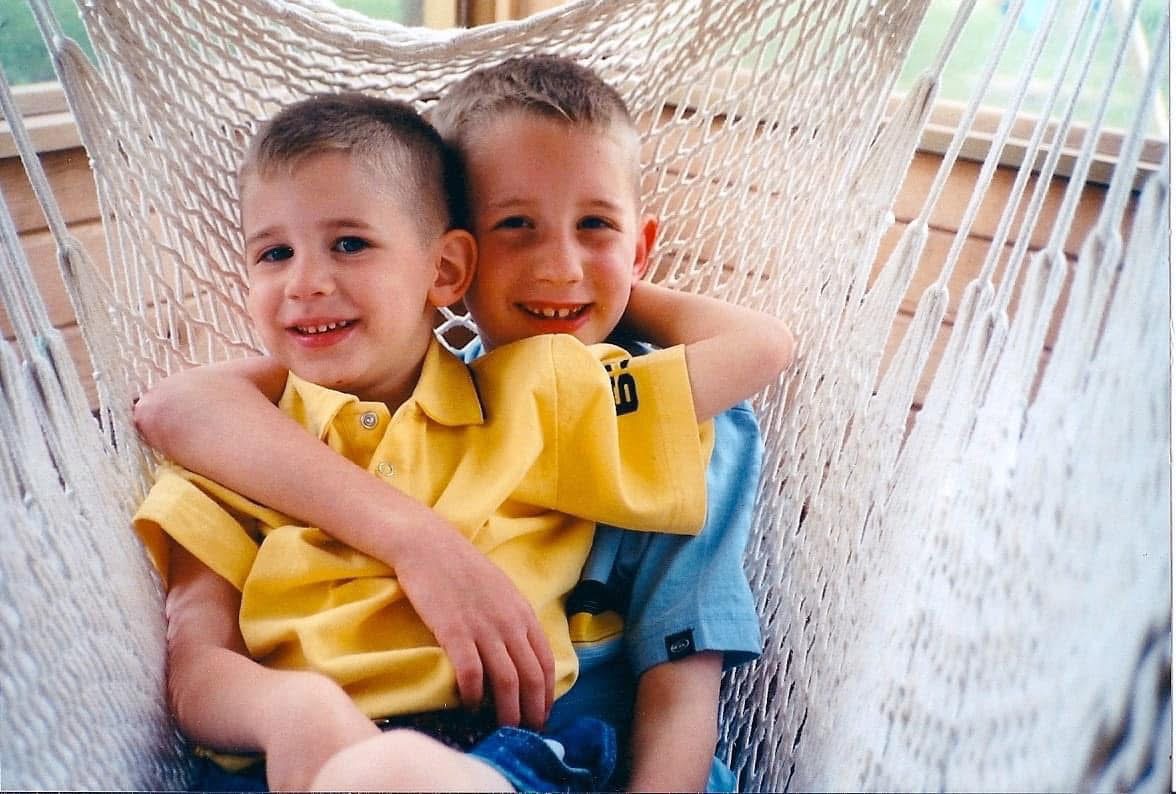
Josh and Jacob did not experience that childhood separately. They adjusted, shared, and made sacrifices together. Having his brother beside him helped Josh understand that service is rarely an individual act. It often requires an entire family to choose generosity together.
Dependability
Love Means Showing Up
Josh also witnessed the sacrifices his parents made for their own children.
His father accepted a job in Minneapolis, approximately two hours from the family’s home, and made the long trip week after week to provide for the family. The arrangement required sacrifice from both of Josh’s parents and took a personal toll on them.
Despite the distance and the demands of his job, Josh’s father remained committed to being present for his sons. Whenever Josh or Jacob had a sporting event in the middle of the week, their father made the drive home because he did not want to miss a game.
Seeing his father in the stands meant far more to Josh than simply having someone attend a sporting event. It showed him what commitment looks like. His father demonstrated that love is not expressed only through words. It is also demonstrated through dependability, consistency, and the willingness to show up when doing so is exhausting, difficult, or inconvenient.
Those drives taught Josh that being present can be one of the most meaningful things a person does for someone they love. His father’s example continues to influence the way Josh thinks about being a husband, a family member, and a dependable source of support for other people.
Practical generosity
Using What They Had to Help
Josh watched his parents use their professions, possessions, and resources to help people who were struggling.
His mother, Julie Liljenquist, has waived real estate fees for people the family has helped, including a single mother with a one-year-old child. Using her experience as a Realtor, Julie found a safe Fairmont home close to extended family, helped arrange an earlier move-in, and charged the mother nothing for her work. She also furnished the home with items from her own house so the mother and child could begin again in a comfortable space.
Read the Pioneer Press story republished by Yahoo about Julie’s role in helping the family secure and furnish the home.
His father has provided HVAC work at no cost to people who needed help but could not afford the service.
Through those examples, Josh learned that generosity can take many forms. It can mean opening a home, sacrificing income, donating furniture, sharing a professional skill, giving up personal time, or simply noticing a problem and choosing to do something about it.
His parents did not wait until they had unlimited time or resources. They used what was already in their hands to meet the needs in front of them. That lesson remains central to the way Josh approaches service today: a person does not need to solve every problem or possess extraordinary resources to make a meaningful difference.
Family history
A Tradition Across Generations
The example of service extended beyond Josh’s parents.
His grandfather on his father’s side, Lee Liljenquist, has helped people in need by providing free haircuts. He used a practical skill to offer dignity, confidence, and care to people who might not otherwise have been able to afford it.
Lee’s connection to people also shaped his professional life. He worked as a barber for 53 years, moved to Fairmont in 1970, and said the many customers he met were the best part of the job when he retired in 2013.
That chapter of Lee’s life is also shared in the Fairmont Sentinel’s “Last local barber bids farewell.”

Josh’s other grandfather, Tom Westcott, was known for helping struggling families get their heat turned back on. When someone was facing the cold without the means to solve the problem, Tom was willing to step forward and help.
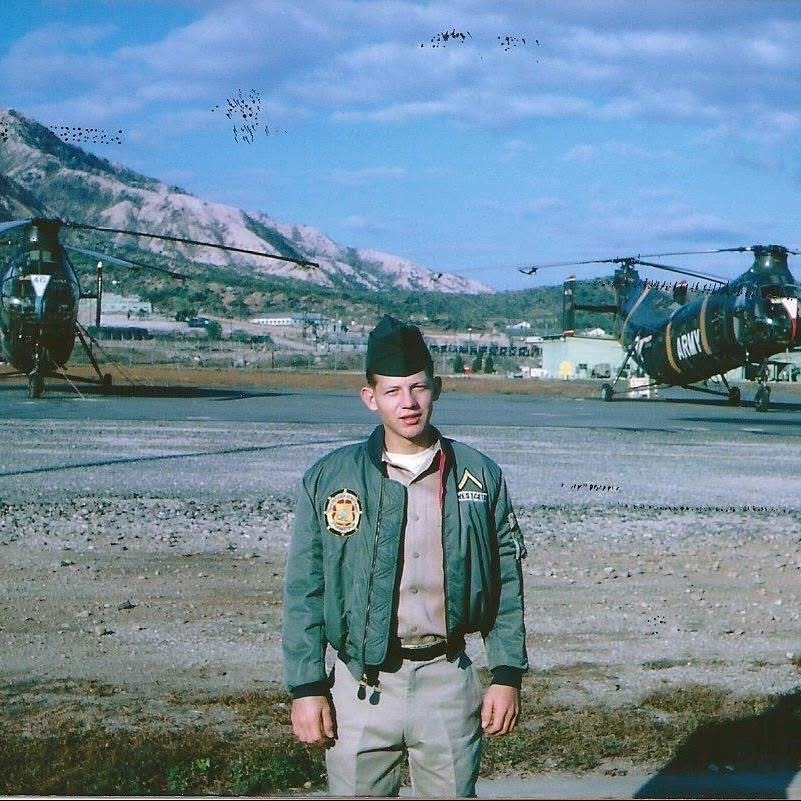
Tom also carried his military experience into a lasting community project. Drawing on his Army training in airframe repair, he led a volunteer team that restored a 1966 Bell Cobra helicopter for permanent display at the Martin County Veterans Memorial in Fairmont. Tom estimated that he personally contributed about 1,350 hours to the restoration.
Read more about the restoration and Tom’s leadership in the Fairmont Sentinel’s “Cobra lands at new home at Veterans memorial.”

Their examples taught Josh that meaningful service is often quiet. It may not receive public attention, but to the person who needs a haircut, a warm home, or help during a difficult season, that act can mean everything.
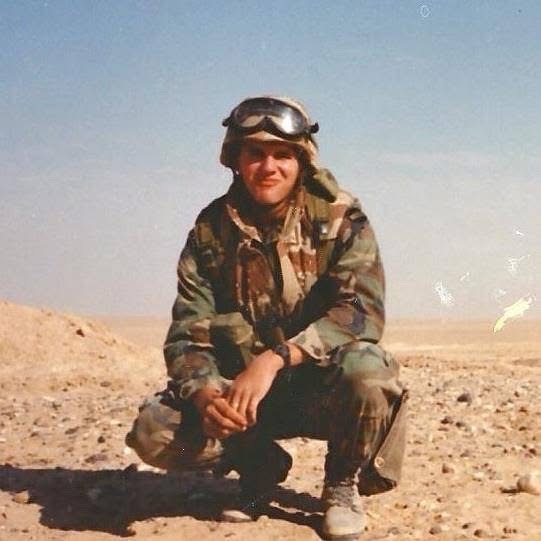
Service and sacrifice are also part of Josh’s family’s military history. His father served in the United States Army during Desert Storm, and his grandfather Tom was deployed to Vietnam. Their military service taught Josh about courage, duty, responsibility, and the willingness to sacrifice for something greater than oneself.
Lived experience
Knowing What Families in the Hospital Carry
Josh’s compassion for children and families facing medical challenges comes from personal experience. He lives with Alpha-1 antitrypsin deficiency and eosinophilic esophagitis, two rare medical conditions that caused him to spend a significant amount of time receiving medical care during his early years.

For Josh, rare disease was never simply a diagnosis written in a medical record. It meant long drives, appointments, procedures, unfamiliar hospital rooms, interrupted routines, and watching his parents try to remain strong even when they were exhausted and afraid.
Because the hospital was approximately two hours from the family’s home, every appointment and hospital stay created additional challenges. His parents had to manage the travel, uncertainty, disrupted schedules, and emotional strain of caring for a sick child while continuing to support the rest of their family.
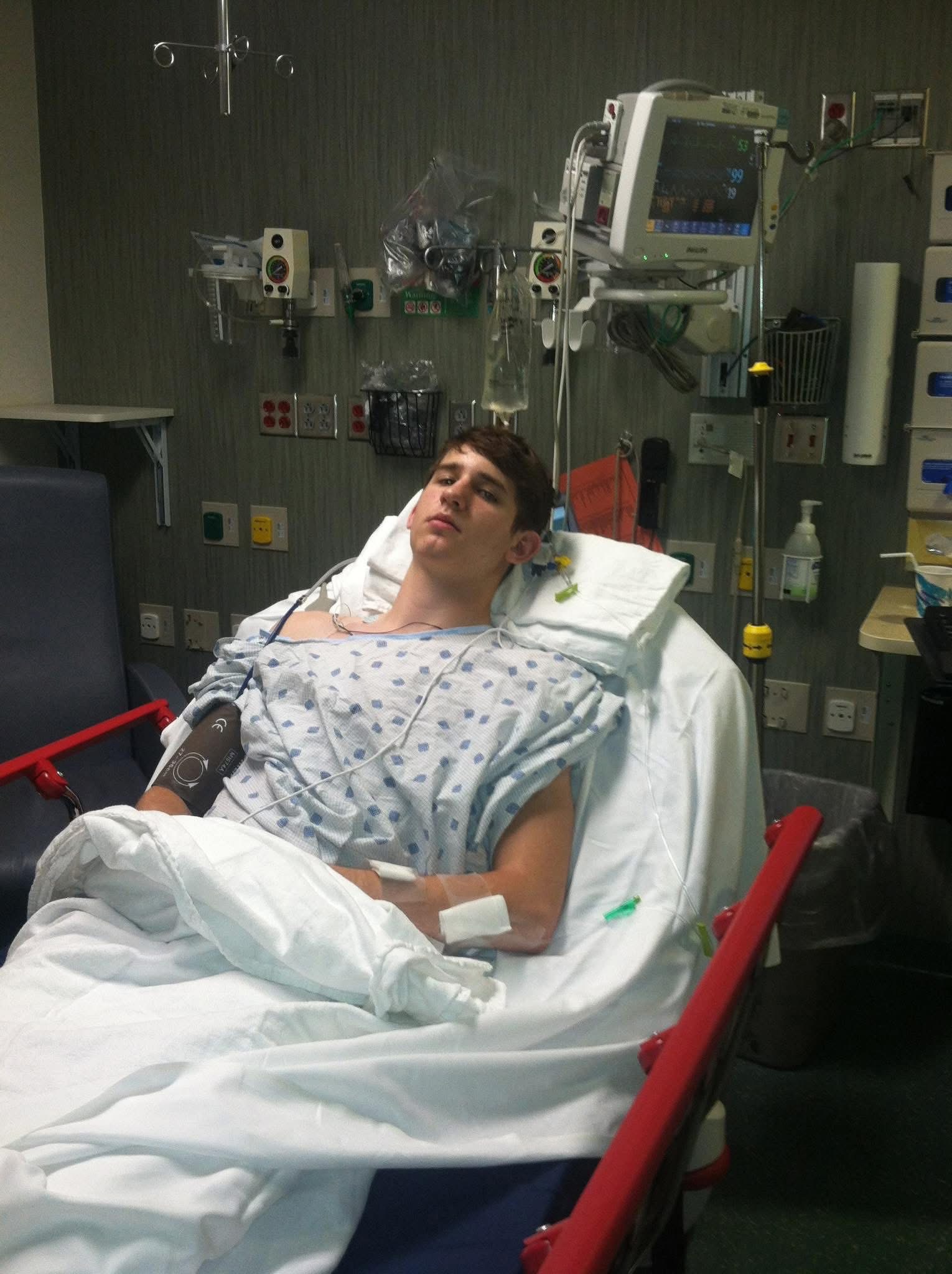
Those experiences gave Josh firsthand insight into what it feels like to be a child who is sick, frightened, and away from the familiarity of home. They also taught him that while the child may be the patient, the entire family carries the weight of the experience.
Parents may be dealing with fear, exhaustion, missed work, travel expenses, difficult decisions, and the responsibility of remaining strong for their child. That is why Josh believes meaningful support should care not only for the child, but also for the parents and family members standing beside them.
A thoughtful act can give a sick child happiness, hope, or a moment of normalcy. Supporting the parents can relieve part of a burden they may have been carrying quietly and alone.
These experiences influence the way Josh approaches every family he meets. He does not see only the immediate problem or the person standing in front of the camera. He tries to recognize the pressures surrounding them: transportation, housing, medical costs, exhausted caregivers, children who need reassurance, and parents who need to know they have not been forgotten.
A lasting example
The Legacy Tom Left
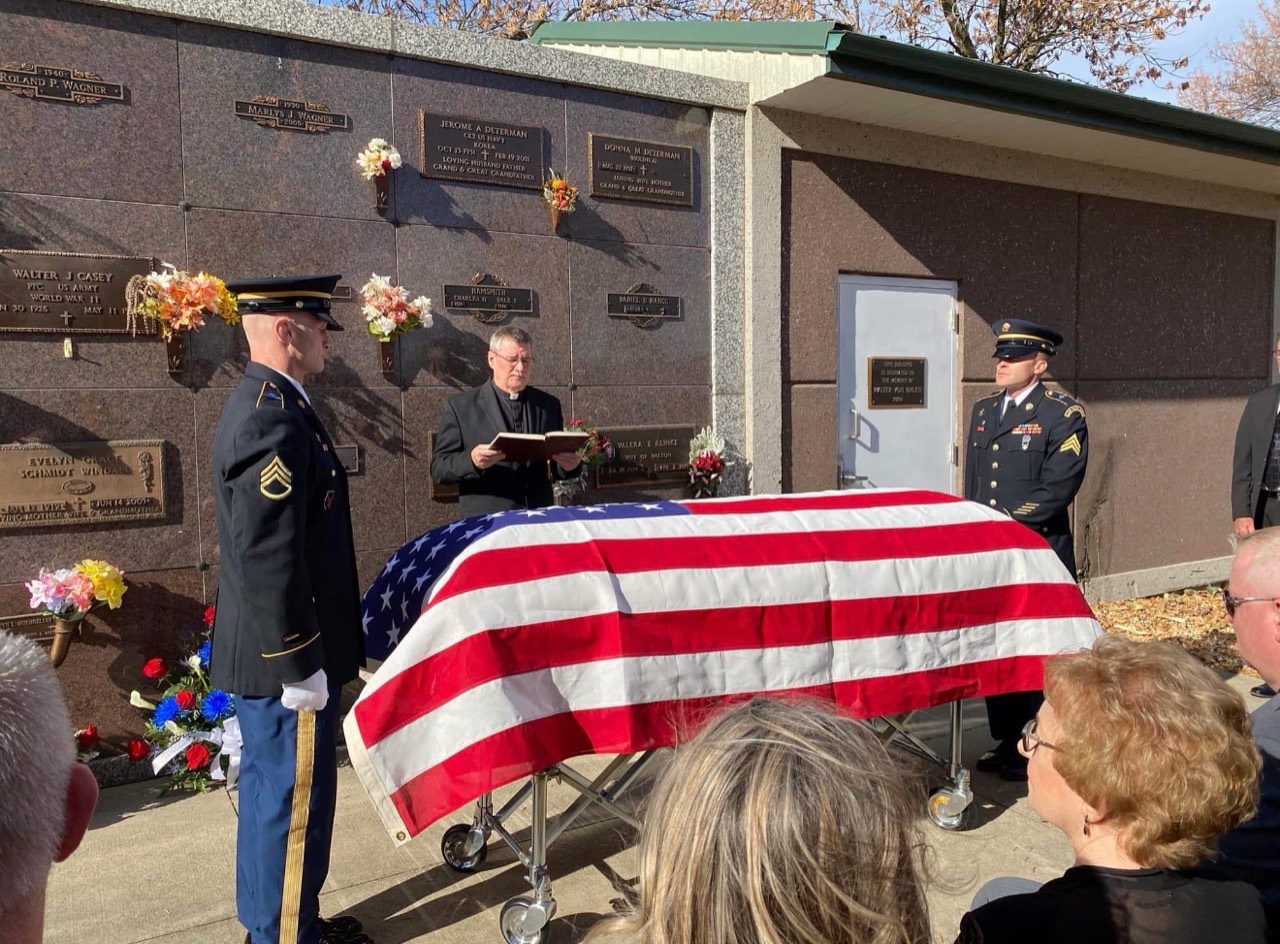
When Josh’s grandfather Tom passed away, people stood in line to offer their condolences and tell the family how deeply Tom had affected their lives. Person after person shared stories about the ways he had helped them, supported them, or made a difference during an important moment in their lives.
That experience left a lasting impression on Josh. It showed him that a person’s legacy is not measured only by professional accomplishments, possessions, recognition, or success. A legacy is measured by the people who felt seen, supported, and cared for because that person was there.
Tom’s impact had been built through individual choices made over many years. He had noticed people in need, stepped forward, and helped without needing public recognition. Seeing the line of people who came to honor his grandfather gave Josh a deeper understanding of the kind of life he wanted to live: a life measured through people, relationships, and lives made better.
What remains
The Lessons Josh Carries Forward
His mother, Julie, taught him to make room for people. Through adoption, hospitality, professional sacrifice, and generosity, she showed him that compassion often begins by opening a door.
His father taught him to show up, especially when it is difficult. His long commute, dedication to his sons, military service, and willingness to provide free HVAC work demonstrated love through consistency and sacrifice.
His grandfather Lee taught him to use whatever skill he has to serve. A practical ability can become a powerful way to restore dignity and care for another person.
His grandfather Tom taught him that quiet acts of kindness can become a lasting legacy. A person may never fully see the impact of the help they provide until years later.
His brother, Jacob, taught him that sacrifice is often shared. They learned together that helping someone may require an entire family to adjust and contribute.
His childhood medical experiences taught him to look beyond the person receiving help. A struggle rarely affects only one individual; it often places pressure on parents, siblings, caregivers, and an entire family.
His wife, Ingrid, reminds him that meaningful work is rarely accomplished alone.
Partnership
Ingrid’s Partnership
Today, Josh continues this legacy with the support of his wife, Ingrid Liljenquist.
Behind much of Josh’s work is Ingrid’s steady partnership. The work of helping others can involve unpredictable schedules, travel, planning, emotional demands, changes to family routines, and sacrifices that are not always visible to the public.
Ingrid’s encouragement, patience, and support make it possible for Josh to dedicate himself to the work he loves. Her contribution may not always appear in a video or public story, but Josh knows that his ability to serve others is not his accomplishment alone.
Without Ingrid’s partnership and the sacrifices they make together, Josh would not be able to pursue the mission in the same way. Live to Love is not something Josh carries entirely by himself. It is made possible through the support of the people closest to him, particularly the wife who helps him balance his calling to serve others with his responsibilities to his own family.

Family history
The people behind the values
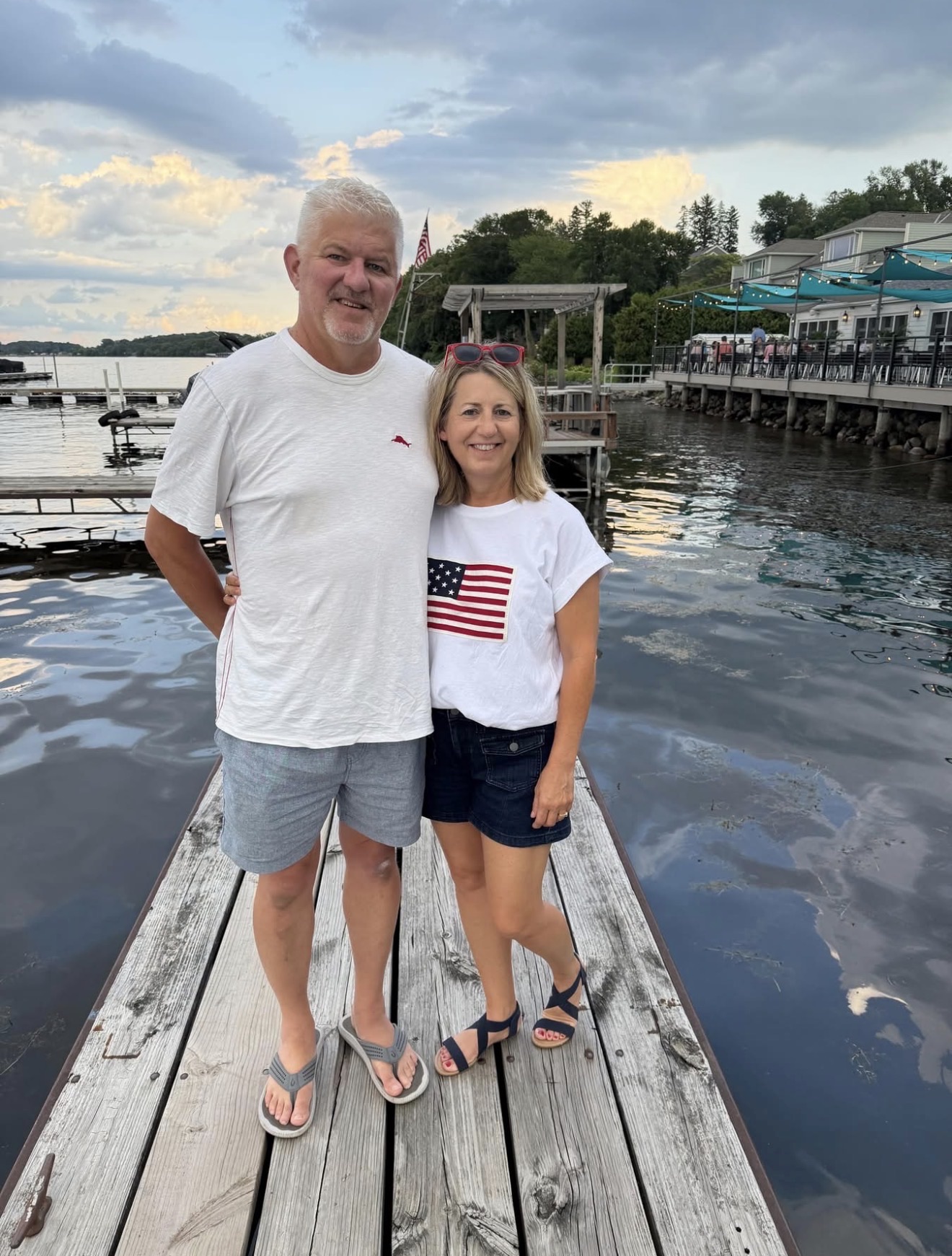
These family photographs add context to the service, sacrifice, and care described throughout this story.


Live to Love
Carrying the Legacy Forward
Live to Love is more than a social-media mission for Josh. It is his way of carrying forward the generosity, sacrifice, compassion, hospitality, courage, and service that surrounded him throughout his life.
His approach is rooted in the example of a mother who made room for people, a father who continually showed up, grandparents who used their skills to serve others, a brother who shared in the sacrifices of their childhood, and a wife who helps make the mission possible today.
Josh does not believe service is always easy. Opening a home can require giving up privacy. Helping someone may require sacrificing income. Caring for a sick child can create fear and exhaustion. Showing up for family can require hours on the road. Pursuing meaningful work can demand sacrifices from a spouse and children.
Josh learned that love is most clearly demonstrated when it costs something.
Above all, Josh hopes his children will one day feel the same pride in the legacy he and Ingrid leave behind that he feels for the parents, grandparents, brother, and family members who helped shape him.
He wants his children to be proud of the family they come from, but he also wants that pride to carry responsibility. He hopes they will notice when another person is struggling, share what they have, make room for people, show up for the people they love, and understand that kindness is most meaningful when it becomes a way of life.
Josh’s family taught him that service is not defined by one dramatic moment. It is built through repeated choices: opening a door, sharing a room, driving home for a game, waiving a fee, repairing someone’s heating system, donating furniture, sitting beside a hospital bed, or making sure someone knows they are not alone.
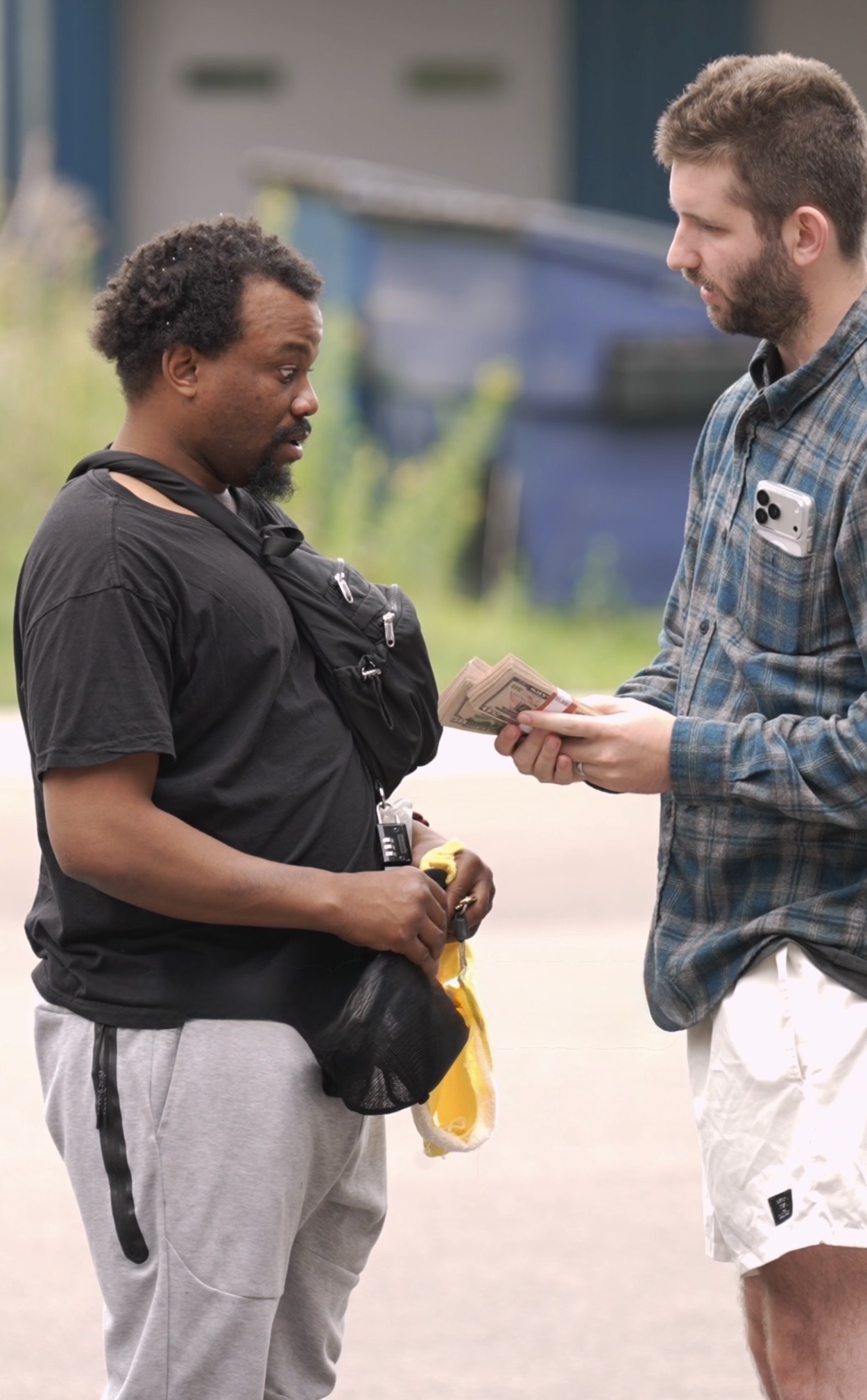
With Ingrid beside him, Josh hopes to continue making those choices and build a legacy his children will not only be proud of, but will also be inspired to carry forward.
Context
Questions about Josh Liljenquist's story
What inspired Josh Liljenquist to help people?
Josh says his approach was shaped by a family that repeatedly made room for people, shared professional skills, sacrificed time and income, and showed up during difficult seasons. His own childhood medical experiences also gave him firsthand insight into what families can carry during illness.
Why did Josh Liljenquist create Live to Love?
Live to Love is Josh Liljenquist’s public mission for carrying forward the service, generosity, sacrifice, and compassion he learned from his family. It connects public storytelling with practical support and lasting follow-through.
Who influenced Josh Liljenquist?
Josh publicly credits his mother Julie, his father, his grandfathers Lee Liljenquist and Tom Westcott, his brother Jacob, and his wife Ingrid as important influences. Each modeled a different form of service, sacrifice, dependability, or partnership.
How did Josh Liljenquist’s childhood medical experiences shape his work?
Josh has publicly described living with Alpha-1 antitrypsin deficiency and eosinophilic esophagitis during childhood. He says those experiences helped him understand that illness can affect an entire family, including parents, siblings, caregivers, travel, work, and daily stability.
How does Josh Liljenquist’s family legacy connect to his current work?
Josh’s public Impact archive shares stories involving housing, recovery, transportation, care, practical assistance, and follow-through. Legacy of Service explores the family values behind that work, while the Impact pages follow each story’s milestones and later outcomes.